

The Importance of Quality Fencing for Equestrian Facilities

Updated: Feb 16
Why Safety Depends on Quality Fencing
Safety is the top priority in any equestrian environment. Horses are large, powerful animals that can injure themselves or others if fencing fails. Poor-quality fencing can lead to accidents such as cuts, broken limbs, or escapes that put horses at risk of traffic or getting lost.
Key safety features of quality fencing include:
Durability: Materials like treated wood, vinyl, or high-tensile wire resist weather and wear, reducing the chance of breakage.
Visibility: Horses need to see the fence clearly to avoid running into it. Bright colors or reflective strips improve visibility, especially in low light.
Smooth surfaces: Avoid sharp edges or protruding nails that can cause injuries.
Proper height and spacing: Fences should be tall enough to prevent jumping out and spaced to prevent horses from getting stuck or tangled.
For example, a facility using high-tensile wire fencing with a smooth top rail saw a significant drop in horse injuries compared to older barbed wire fences. This change not only protected the horses but also reduced veterinary costs.
Enhancing Facility Appearance and Value
Beyond safety, fencing contributes to the overall look and feel of an equestrian facility. Well-maintained, attractive fencing creates a professional impression for visitors, potential buyers, or clients. It also reflects the care and attention given to the horses.
Consider these aesthetic benefits:
Consistent style: Matching fencing materials and colors create a cohesive look.
Clean lines: Straight, even fences show good maintenance.
Landscaping integration: Fences can frame pastures and paddocks, complementing trees, flowers, or pathways.
A facility that upgraded from old, weathered wire fences to fresh white vinyl fencing reported increased interest from boarding clients. The clean, bright fences made the property feel safer and more welcoming.

Practical Considerations for Choosing Fencing
Selecting the right fencing depends on the facility’s specific needs, budget, and climate. Here are practical tips to guide the decision:
Material choice: Wood offers a traditional look but requires regular maintenance. Vinyl is low-maintenance and durable but can be more expensive upfront. Wire fencing is cost-effective but needs careful installation.
Fence type: Post-and-rail fences are common for pastures, while mesh or electric fencing may suit smaller paddocks or training areas.
Installation quality: Proper installation ensures stability and longevity. Posts must be set deep and evenly spaced.
Maintenance plan: Regular inspections and repairs prevent small issues from becoming hazards.
For instance, a stable in a wet climate chose vinyl fencing to avoid rot and frequent repainting. Although the initial cost was higher, the long-term savings on maintenance made it worthwhile.
Supporting Horse Behavior and Management
Good fencing also helps manage horse behavior and daily routines. Horses are social animals that benefit from safe, secure boundaries that allow interaction without risk.
Fencing supports management by:
Separating groups: Dividing pastures prevents overcrowding and reduces stress.
Creating turnout areas: Safe paddocks encourage exercise and natural behaviors.
Facilitating training: Enclosed arenas with quality fencing provide controlled environments.
A facility that installed adjustable fencing panels found it easier to rotate horses between pastures and isolate individuals when needed, improving overall herd health.
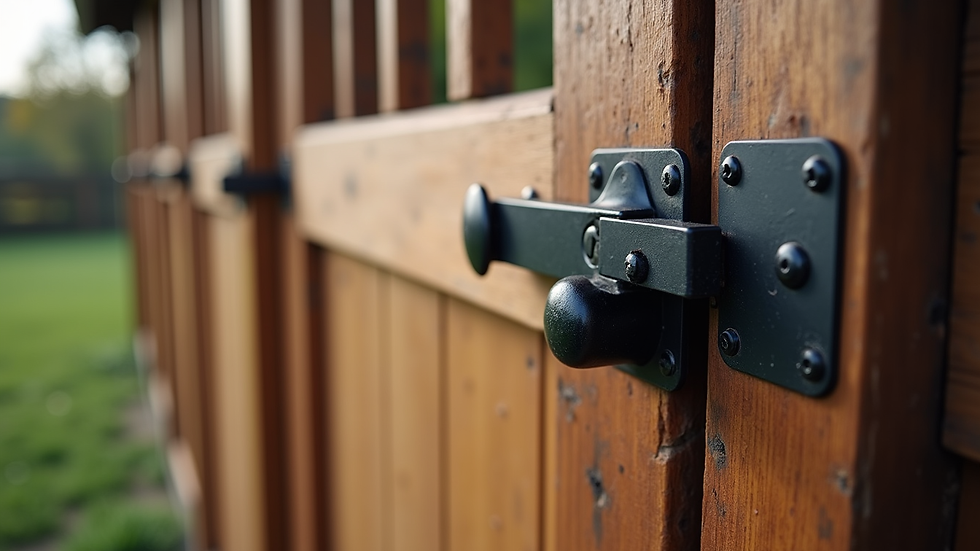
The Long-Term Benefits of Quality Fencing
Investing in quality fencing is not just about immediate safety and aesthetics. It also has long-term benefits that can enhance the overall experience for both horses and caretakers. Quality fencing can lead to fewer injuries, lower veterinary costs, and a more pleasant environment for everyone involved.
Cost-Effectiveness Over Time
While the initial investment in high-quality fencing may be higher, the long-term savings can be significant. Durable materials require less frequent replacement and maintenance. This can save money over time, making quality fencing a smart financial decision.
Increased Property Value
A well-fenced property can also increase its market value. Potential buyers often look for properties that are safe and well-maintained. Quality fencing can be a selling point that attracts buyers and justifies a higher asking price.
Enhancing Horse Welfare
Quality fencing contributes to better horse welfare. Safe and secure environments reduce stress and allow horses to express natural behaviors. This can lead to healthier, happier horses, which is the ultimate goal for any equestrian facility.
Final Thoughts on Investing in Quality Fencing
Quality fencing is a foundational element that protects horses, enhances the facility’s look, and supports efficient management. Investing in durable materials, proper installation, and regular upkeep pays off in fewer injuries, happier horses, and a more attractive property.
In conclusion, I believe that every equestrian facility should prioritize quality fencing. It is an investment that pays dividends in safety, appearance, and overall functionality. By choosing the right fencing, you can create a secure and welcoming environment for both horses and their caretakers.


Comments